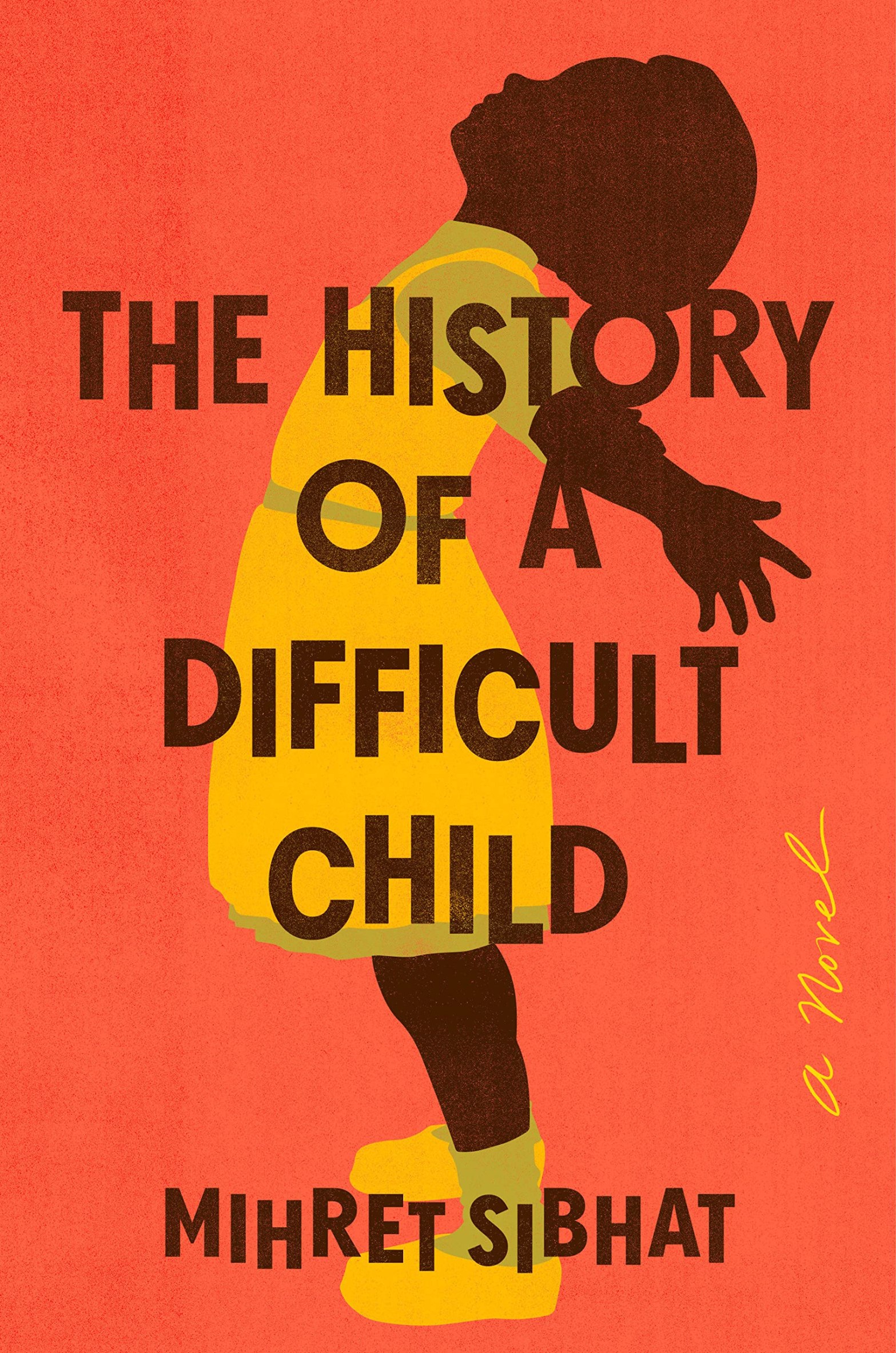
The History of a Difficult Child (2023) is Mihret Sibhat’s first novel, and I wish there had been more buzz about it, as it is so inventive and original, and the primary character–the “difficult child” Selam Asmelash–has such a strong voice!
Sibhat uses multiple perspectives to tell Selam’s story, beginning before her birth to Degitu in Ethiopia in the 1980s. Degitu is married to Ashmelash, and they are landowners during the socialist revolution, fleeing their land to live in a small town where Degitu runs a small bar, and they have five children, the youngest already 11 years old, little Yonas.
Degitu has “female problems” and goes to doctors to deal with her near-constant bleeding and a growth in her abdomen, when she is told she is pregnant! The first part of the book has an omniscient narrator, which we find out is actually the child, Selam. In the next part, Selam herself, an infant, is the narrator–written as if she’s fully aware and knowledgeable of adult matters. Full of wry observations — when her father is showing Selam pictures of her mother on their wedding day, she thinks “She’s wearing a white dress with a net over her face as if she had to be trapped to attend her own wedding.”
There are sections told from a plural third person perspective of the villagers, telling the history from before Degitu and Asmelash met, before the revolution. All the while, Selam is growing, observing everything around her as she sits and doesn’t walk until she’s nearly two years old. There is quite a bit of description of Selam’s large head and fat body, which can cause scrutiny of their family and its wealth because there is famine elsewhere in the country–Selam was born shortly after the recording by Bob Geldof whether children in Ethiopia knew that it was Christmas.
I thought that the descriptions of Selam’s size were more neutral and not anti-fat, but it might be difficult for those especially conscious of anti-fat messaging to read. There is some anti-fatness when describing some of the socialist leaders, so it is not all neutral.
Another interesting part of the story is that Degitu converted to Protestant Christianity, which is practiced by a minority of people in Ethiopia, and her children are persecuted for it.
A very difficult part of the book is how the family doesn’t tell Selam, still really a toddler, when Degitu has died, and how long she thinks her mother is coming back from Addis Ababa. But then there is also a chapter told from the perspective of God! It was fascinating to listen to Selam’s growth through the country’s changing. I do recommend the audiobook version, although I needed to see the print version as well to do this review.
It’s a long book, but very rewarding — I was charmed, despite the anti-fat bias.
 Reading While Fat
One thought on “The History of a Difficult Child”