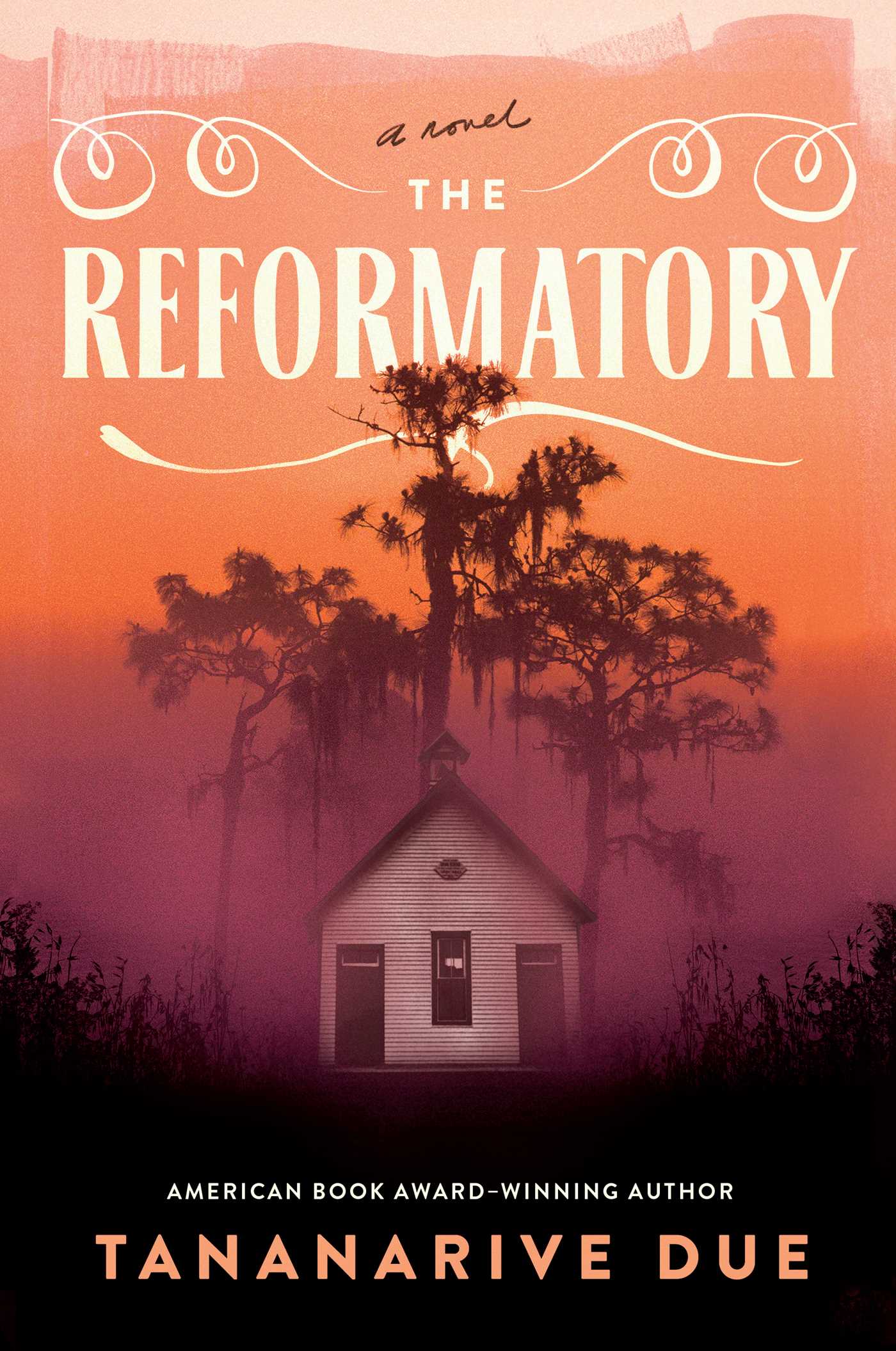
I just about have no words (with reverent awe) for The Reformatory (2023) by Tananarive Due, but since writing about books is the reason for this blog, I have to come up with some.
First, this book is an example of my belief that white people need to read books written by black people (and other non-white people) about what they experience and have experienced, so that we have some inkling about their perspectives. We cannot forget the horrors that have been inflicted upon generations. We cannot look away. Events like what is described in this book happened less than 100 years ago.
But this isn’t a preachy book. Due has told a gripping, horrific story that I couldn’t put down, and made us care about Robert Stephens, his sister Gloria, and the rest of their family and friends. What happened to Robert (and worse) happened to too many children. The story is based on Due finding out that a great-uncle had been killed at the infamous Dozier School for Boys in Florida when the cemetery was dug up, and his remains were matched to her through DNA testing. The book is a story about what could have happened if he hadn’t died.
Robert, only 12 years old, ends up at the reformatory for six months after he has tried to protect his sister, who is being harassed by the son of the local powerful white man. Gloria, 16, is working and taking care of Robert on her own after her mother has died of cancer and father went to Chicago because of his union organizing activities and likelihood the Klan is after him. Though Gloria tries to appeal to the judge, Robert is sent off without anything that seems like due process. Always a sensitive boy, when he gets there, he feels the spirits (“haints”) who have died in what seems like a huge fire. And when he meets the warden, he doesn’t know how he is going to make it six months.
Meanwhile, Gloria and Ms. Lottie, the elderly family friend that she and Robert were supposed to be staying with, are trying to get the NAACP involved, and trying to appeal to the judge and to the man whose word sent Robert to the reformatory in the first place. But it’s a losing battle.
Unlike most of the boys, Robert can easily see haints, and the warden knows he can and wants to catch all of them. So Robert gets a special job, but it doesn’t really make things easier for him. He can’t always trust the haints. And when Gloria and Ms. Lottie are able to visit him, they tell him in code how he can try to escape and when. Can he hold on?
And will their plan work? With Ms. Lottie’s sons helping but in danger themselves, there is no telling whether the fence will be cut, whether Robert will find that spot, and whether the dogs will find him.
It was completely weight-neutral, but there were many difficult scenes and themes, including physical and sexual abuse and racism. The worst is off-page, but it’s clear what is happening. Nevertheless, it’s likely one of the best books I read in 2025.
 Reading While Fat